November 10, 2026
The Value of Compassionate Elder Care in Memory Support
By @messiahueuc835
Business Name: BeeHive Homes of Farmington
Address: 400 N Locke Ave, Farmington, NM 87401
Phone: (505) 591-7900
BeeHive Homes of Farmington
Beehive Homes of Farmington assisted living care is ideal for those who value their independence but require help with some of the activities of daily living. Residents enjoy 24-hour support, private bedrooms with baths, medication monitoring, home-cooked meals, housekeeping and laundry services, social activities and outings, and daily physical and mental exercise opportunities. Beehive Homes memory care services accommodates the growing number of seniors affected by memory loss and dementia. Beehive Homes offers respite (short-term) care for your loved one should the need arise. Whether help is needed after a surgery or illness, for vacation coverage, or just a break from the routine, respite care provides you peace of mind for any length of stay.
400 N Locke Ave, Farmington, NM 87401
Business Hours
Memory loss alters the form of every day life in ways that are very easy to underestimate until you are living them. A missed consultation comes to be a troubling pattern. An acquainted dish is instantly confusing. A loved one that as soon as handled expenses, drugs, and household birthdays without a doubt may begin to repeat the very same question five times in an hour. These moments can feel small in isolation, but together they alter the rhythm of a household. They additionally reveal why thoughtful elder care issues so much in memory support.
Memory care is not only about safety, though safety is always part of the photo. It has to do with preserving self-respect when a person can no longer rely on memory the means they as soon as did. It has to do with understanding that confusion is not the same as stubbornness, and agitation is not an individuality imperfection. Excellent care looks past the diagnosis and sees the individual still existing under the modifications. That difference influences everything, from how a caretaker talks with exactly how an area is organized.
Compassion changes the experience of memory loss
Anyone who has spent time with an older grown-up living with dementia, Alzheimer's illness, or another cognitive condition knows that the psychological tone of care matters almost as much as the physical atmosphere. A tranquil voice can stop a spiral. A client pause can transform a discouraging exchange into a workable one. A caretaker that understands just how to reroute instead of proper can maintain trust, particularly throughout challenging moments when a person may not acknowledge their surroundings or even their own family members members.

I have seen households arrive persuaded that their loved one has become "hard," only to uncover that the real issue is fear. Worry of being hurried. Fear of not recognizing what is taking place. Concern of being treated like a child. Caring elder care addresses those concerns directly. It slows down the rate. It discusses points in simple language. It stays clear of memory care near me power battles that only boost distress.
That human method is specifically vital in memory support due to the fact that amnesia frequently strips away a person's ability to advocate for themselves. If a senior can not remember what occurred ten minutes ago, they may not have the ability to report discomfort, cravings, or solitude in a traditional method. Proficient caretakers learn to review actions as communication. Uneasyness might mean discomfort. Resistance might indicate embarrassment. Withdrawal may indicate overstimulation. When care teams recognize those signals, they can respond with more accuracy and less guesswork.
Why memory support is different from other elder care
Not every form of senior care is built for memory obstacles. Several older grownups require aid with daily living, however memory assistance needs an additional layer of focus. The environment, staffing patterns, interaction style, and day-to-day routines all need to be adapted to decrease confusion and assistance orientation.
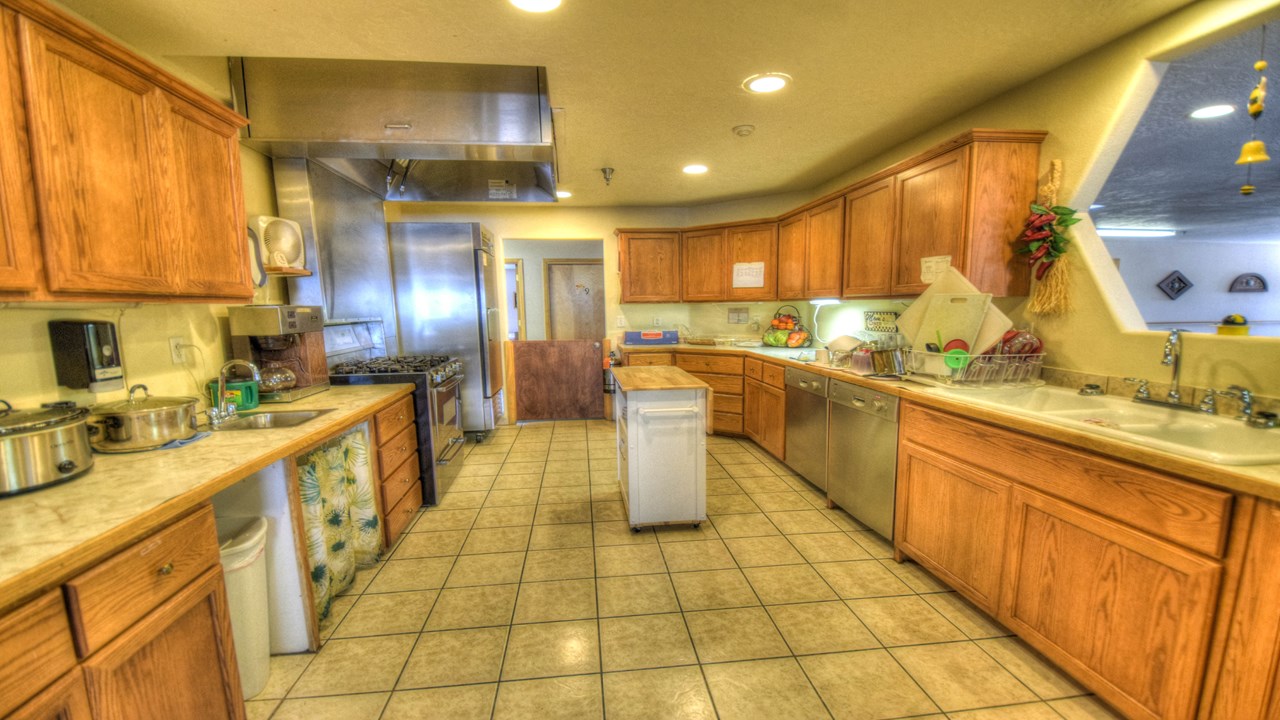
In a well-run memory care setup, the day is constructed around predictability. Meals occur at regular times. Areas and hallways are very easy to browse. Aesthetic signs help homeowners discover their means. Activities are selected not simply to keep people busy, but to invite involvement without pressure. That is an extremely different version from a basic assisted living setting, where homeowners may be a lot more independent and able to choose amongst a large range of options without much guidance.
Families looking for memory care near me are frequently surprised by how much these information matter. A lovely building does not ensure good care. What issues is whether the team recognize amnesia as a professional condition with psychological consequences, and whether they recognize just how to maintain citizens safe without making them feel trapped or managed.
Good memory care additionally respects the reality that cognitive decrease does not eliminate an individual's history. One resident may still brighten at the sound of old jazz. One more may stop representing much of the day yet still fold towels with care because the activity feels familiar. These are not arbitrary preferences. They are hints to identity, and compassionate caregivers utilize them to develop minutes of connection.
The emotional concern on families is real
Families typically enter the world of elder care gradually, then simultaneously. At first, they assist with groceries or pointers. Later on, they observe that medicine schedules are sliding or that the cooktop was left on. Ultimately, the duty changes from assistant to caretaker, and that shift can be exhausting.
The hardest part is often not the physical labor. It is the emotional obscurity. A child may feel guilty for taking over his mother's financial resources. A child might regret the loss of common conversations while still attempting to make useful choices about memory care, senior living near me choices, and future planning. Siblings may disagree regarding what level of assistance is required, which can transform an already painful situation into a household conflict.
Compassionate elder care assists eliminate that stress, not by changing family, however by offering member of the family space to be children, boys, spouses, and grandchildren once more. When specialist caretakers handle the day-to-day stressors, family visits can become extra purposeful. Rather than spending an entire visit convincing a parent to take medicine or consume lunch, relatives can sit with each other, look through pictures, or just take pleasure in a peaceful afternoon.
That change matters more than individuals expect. Caretaker fatigue is actual, and it can sneak in gradually. Respite care can be a lifeline for family members who are worn down however not yet ready for a long-term action right into memory care. Also a time-out enables caregivers to relax, catch up on job, or address their own health and wellness without consistent watchfulness. Sometimes that pause is what maintains a family from reaching a damaging point.
What caring memory care appears like day to day
A thoughtful memory care program is visible in the small things. Staff members learn residents' names and histories. They see which early morning routine calmness someone and which tune enhances one more individual's state of mind. They understand that an individual that declines a shower might not be defiant, however terrified by the sensation or embarrassed by the loss of privacy.
The details are sensible, not sentimental. A caretaker that supplies two apparel options rather than a storage room full of choices lowers decision tiredness. A dining-room with fewer distractions helps homeowners consume even more easily. Clear lighting, minimalist hallways, and regular signage decrease the requirement for consistent modification. These layout selections are not cosmetic. They lower tension and preserve self-reliance for as long as possible.
The best neighborhoods additionally recognize that a resident's habits may change throughout the day. Some individuals are tranquil in the morning and even more anxious late in the mid-day. Others become extra puzzled when they are exhausted, hungry, or overstimulated. Personnel who are educated to observe these patterns can adjust regimens before issues intensify. That is where authentic experience turns up, not in remarkable interventions but in steady prevention.
There is also a vital distinction between supervision and overcontrol. Great memory assistance keeps individuals safe, yet it does not strip them of option any place selection is still feasible. A resident could not be able to handle a complete independent schedule, yet they may still pick between tea and coffee, a sweatshirt and a cardigan, a peaceful stroll and a songs program. Those options issue. They claim, "You are still here. Your choices still count."
When to consider memory care
Families often delay the action since they hope things will maintain. In some cases they do, for some time. However memory loss tends to develop a pattern of steady modification stressed by abrupt situations. A person who appears mostly great in the house may still be failing to remember meals, straying at night, mismanaging medications, or leaving doors unlocked. Small lapses can swiftly come to be dangerous ones.
The choice comes to be much more immediate when home support begins to surpass what a family members can safely supply. If an older grownup is continuously obtaining lost, dropping, leaving appliances on, or becoming hostile when perplexed, the inquiry is no longer whether assistance is required. It is what sort of help is appropriate.
For some families, senior care in the home works for a time, particularly with visiting assistants or extended household support. For others, the demands of supervision, transportation, dish preparation, and emotional regulation are way too much to deal with around the clock. That is where a specialized memory care setting can be a relief. It offers structure, professional oversight, and a setup made for cognitive impairment instead of trying to adjust a general home atmosphere to meet a complicated need.
There is no precise minute that fits every circumstance. Still, if the very same issues maintain repeating in spite of honest effort, it might be time to examine elder care options more seriously. The ideal option is the one that protects both the older adult and the relative who like them.
Searching for the ideal fit
When family members start seeking memory care near me, they normally start with sensible concerns. Is the neighborhood close sufficient for normal visits? Does it accept the spending plan they have? What does life really appear like inside the structure? Those concerns are necessary, however so is the environment. An area can have brightened brochures and still feel impersonal the minute you tip inside.
I constantly inform households to pay attention to the tone of the team. Do they talk with locals with warmth and respect, or about them? Do they stoop to make eye get in touch with, or stand over someone that is already nervous? Do they address inquiries plainly, or do they hurry through a scripted action? These are not minor information. They expose just how care is supplied when no one is performing for a tour.
It can likewise assist to ask exactly how the community takes care of difficult minutes. Every memory care setup will certainly encounter them. A person might withstand showering. Someone else may end up being agitated at night or stray towards a leave. The question is not whether troubles happen, but exactly how staff respond. A thoughtful group uses de-escalation, redirection, and perseverance. A weak group depends too swiftly on pressure, dismissal, or medication as a first response.
Families contrasting senior living near me options need to look beyond services and inquire about training, staffing uniformity, interaction with family members, and how the area sustains citizens with various stages of memory loss. A great fit is not almost area. It has to do with whether the society matches the degree of care the individual truly needs.
The self-respect question
At the facility of thoughtful memory assistance is a straightforward yet difficult inquiry: just how do we safeguard an individual's dignity when their mind no longer behaves as it when did?
The solution is not to act the modifications are not happening. Nor is it to minimize a human being to a collection of tasks, such as bathing, feeding, and drug management. Self-respect resides in the way individuals are talked with, the quantity of patience they are provided, and the respect revealed for their feelings even when those emotions seem disconnected from the moment.
This is specifically essential when older grownups share worry, suspicion, or rage. A less thoughtful method might attempt to correct every misunderstanding. A thoughtful one recognizes that constant improvement can really feel embarrassing. If a resident believes they require to go home, also while being in their own area, the goal is not to win a disagreement. The goal is to relax the fear behind the statement and help the individual feel secure again.
That kind of judgment comes from experience. It is hard work. It asks caretakers to tolerate uncertainty and to remain mild when a situation is unpleasant. It additionally asks families to accept that one of the most loving feedback is not constantly the most actual one. Occasionally self-respect means getting in the resident's fact enough time to soothe them, instead of requiring them into ours.
The duty of regimens, activities, and relationships
A solid memory care setting is improved repetition, however not dullness. Routine gives homeowners a framework they can trust. Within that framework, there is space for music, activity, art, conversation, and remainder. The very best activities are not infantilizing. They are significant. Folding towels, sprinkling plants, arranging acquainted objects, or listening to old tales can all support involvement because they link to routines that still live in the body, even when memory is impaired.
Relationships matter just as much. Staff turnover can be especially difficult in memory assistance because citizens depend on experience to feel risk-free. Seeing the very same faces, listening to the same voices, and acknowledging who aids with morning care can reduce anxiety significantly. Family members often sense this immediately. A resident that seems safeguarded in one setup might relax when surrounded by caregivers that know exactly how to fulfill them with uniformity and kindness.
This is one reason respite care can be so beneficial. It permits family members caretakers to step back without abandoning responsibility. It additionally offers older grownups an opportunity to experience care from experienced experts prior to a dilemma forces a larger choice. Sometimes a couple of days of respite reveal that the resident adapts well to framework and social involvement. Sometimes it shows that more assistance is required than the family members can manage in your home. In any case, the info is useful.
What households can do right now
If memory adjustments are beginning to impact your family members, begin by taking notice of patterns instead of isolated occurrences. One neglected costs is frustrating. 3 months of unopened mail, repeated medication mistakes, or nighttime straying are a different issue. List what is taking place, when it happens, and what appears to make it much better or worse. That record will help a doctor, social worker, or senior care advisor comprehend the scenario much more clearly.
It also helps to talk truthfully about objectives. Some family members want to maintain a loved one in the house as long as feasible. Others are already stretched thin and require aid earlier. Neither placement is wrong. What matters is matching the care strategy to the real degree of need, not to sense of guilt or wishful thinking.
When touring areas, ask straight questions about memory care, staffing, interaction, safety, and day-to-day routines. Visit at different times if possible. A location that really feels tranquil at 10 in the morning might operate extremely in a different way after supper, when restlessness frequently boosts. Ask about social programs, meal assistance, and exactly how the group handles citizens with differing phases of dementia. The responses will inform you a terrific deal.
Families also need permission to regret while making practical choices. Picking memory care is not a dishonesty. It is usually an act of realism and love. If the environment is safer, much more stable, and a lot more encouraging than home has actually come to be, the relocation can shield both the individual living with amnesia and the member of the family that have been lugging the weight of care alone.
Compassionate elder care does not eliminate the pain of memory loss, yet it does alter how that discomfort is held. It creates steadier days. It offers families a structure for hard decisions. It maintains dignity where confusion could conveniently remove it away. And above all, it advises every person involved that even when memory fails, the individual stays deserving of perseverance, comfort, and respect.
BeeHive Homes of Farmington provides assisted living care
BeeHive Homes of Farmington provides memory care services
BeeHive Homes of Farmington provides respite care services
BeeHive Homes of Farmington supports assistance with bathing and grooming
BeeHive Homes of Farmington offers private bedrooms with private bathrooms
BeeHive Homes of Farmington provides medication monitoring and documentation
BeeHive Homes of Farmington serves dietitian-approved meals
BeeHive Homes of Farmington provides housekeeping services
BeeHive Homes of Farmington provides laundry services
BeeHive Homes of Farmington offers community dining and social engagement activities
BeeHive Homes of Farmington features life enrichment activities
BeeHive Homes of Farmington supports personal care assistance during meals and daily routines
BeeHive Homes of Farmington promotes frequent physical and mental exercise opportunities
BeeHive Homes of Farmington provides a home-like residential environment
BeeHive Homes of Farmington creates customized care plans as residents’ needs change
BeeHive Homes of Farmington assesses individual resident care needs
BeeHive Homes of Farmington accepts private pay and long-term care insurance
BeeHive Homes of Farmington assists qualified veterans with Aid and Attendance benefits
BeeHive Homes of Farmington encourages meaningful resident-to-staff relationships
BeeHive Homes of Farmington delivers compassionate, attentive senior care focused on dignity and comfort
BeeHive Homes of Farmington has a phone number of (505) 591-7900
BeeHive Homes of Farmington has an address of 400 N Locke Ave, Farmington, NM 87401
BeeHive Homes of Farmington has a website https://beehivehomes.com/locations/farmington/
BeeHive Homes of Farmington has Google Maps listing https://maps.app.goo.gl/pYJKDtNznRqDSEHc7
BeeHive Homes of Farmington has Facebook page https://www.facebook.com/BeeHiveHomesFarmington
BeeHive Homes of Farmington has an YouTube page https://www.youtube.com/@WelcomeHomeBeeHiveHomes
BeeHive Homes of Farmington won Top Assisted Living Home 2025
BeeHive Homes of Farmington earned Best Customer Service Award 2024
BeeHive Homes of Farmington placed 1st for Senior Living Communities 2025
People Also Ask about BeeHive Homes of Farmington
What is BeeHive Homes of Farmington Living monthly room rate?
The rate depends on the level of care that is needed (see Pricing Guide above). We do a pre-admission evaluation for each resident to determine the level of care needed. The monthly rate is based on this evaluation. There are no hidden costs or fees
Can residents stay in BeeHive Homes until the end of their life?
Usually yes. There are exceptions, such as when there are safety issues with the resident, or they need 24 hour skilled nursing services
Do we have a nurse on staff?
Yes. Our administrator at the Farmington BeeHive is a registered nurse and on-premise 40 hours/week. In addition, we have an on-call nurse for any after-hours needs
What are BeeHive Homes’ visiting hours?
Visiting hours are adjusted to accommodate the families and the resident’s needs… just not too early or too late
Do we have couple’s rooms available?
Yes, each home has rooms designed to accommodate couples. Please ask about the availability of these rooms
Where is BeeHive Homes of Farmington located?
BeeHive Homes of Farmington is conveniently located at 400 N Locke Ave, Farmington, NM 87401. You can easily find directions on Google Maps or call at (505) 591-7900 Monday through Sunday 9:00am to 5:00pm
How can I contact BeeHive Homes of Farmington?
You can contact BeeHive Homes of Farmington by phone at: (505) 591-7900, visit their website at https://beehivehomes.com/locations/farmington/,or connect on social media via Facebook or YouTube
Visiting the Riverside Nature Center offers a calm, educational outdoor setting well suited for assisted living, senior care, elderly care, and respite care visits.
❧